Backengrillen
https://backengrillen.bandcamp.com/album/backengrillen-2
“Antifa Death Jazz” w Mats Gustafsson on bari
music makers, dreamers of dreams, etc.
https://backengrillen.bandcamp.com/album/backengrillen-2
“Antifa Death Jazz” w Mats Gustafsson on bari
https://www.youtube.com/watch?v=X1I0_bsjEsY
OK Computer, remade as N64 soundtrack.
Im almost annoyed that i fit this demographic perfectly.
Paranoid android with the mario kart intro 🤦♂️ 😆
New Rock - 2022 Remastered - YouTube
I mean, obviously I’m already going to be a fan of an all female represented Japanese quartet that on the surface appears highly influenced by Can.
I love all the unexpected twists and turns of this album. Good stuff.
https://dragginganox.bandcamp.com/album/whole-earth-cataloged
Dragging an Ox through Water's 2014 album "Panic Sentry" was one of the first things I remember buying on Bandcamp. It hit me really hard, for one thing because my best friend had just lost his younger brother to a pointless tragedy. Particularly the song "True and False Comforts" touched a raw nerve, and felt like a question hanging in the air.
The hurts of the past, in the intervening time, don't always untangle and resolve themselves. They indeed sometimes compound and compress into a slurry, say, of indistinguishable sensations and half-memories, where strange inhabitants dwell, perhaps like the furry tentacled serpent in the Star Wars trash compactor.
So, it's good there's a new album. Another thread back to what was real, when the future felt expansive.
https://www.youtube.com/watch?v=yxQNAKzJ3vg
In a parallel universe, BoC is a psychedelic acoustic folk duo, perhaps having won employee of the month at the weed shop.
For better or worse, I play a banjo ukulele. Reasons may vary. For me it's a portable way to generate quick ideas that I'll later demo on guitar.
I'm not thaaat picky about strings, but Aquila's are nice ukulele strings. On banjo uke especially, they sound a lot better than the flourinated hydrocarbon strings I'd been using. I was looking for a mellower and more rounded sound with a bit less volume. So that part was good.
However, the high G string was not working. It sounded so ear jabbing that I eventually just slung it under the bridge and made it a 3 string banjo. And then, I forget where, but I'd heard about using a low G (as in, one octave lower) on the top string particularly for banjo uke. So I thought I'd give that a try.
It works great. Highly recommended. This PSA has been brought to you in the hope we can all do our part to help save the world from the obscure terrors of bad banjo uke.
Mohammad Syfkhan: I Am Kurdish with Emer Reidy & Cathal Roche | The Tommy Tiernan Show - YouTube Mohammad Syfkhan: I Am Kurdish with Emer Reidy & Cathal Roche | The Tommy Tiernan Show - YouTube
Seems like he sort of admits it's true?
“many of the terms that deputies found offensive were not facts but matters of opinion — like one that calls Sgt. Randy Walters a "son of a b***h," which Osborne said there was no definitive way to prove or disprove. "She's been dead for years," Walters replied matter-of-factly
Afroman wins defamation case over ‘Lemon Pound Cake’ raid video : NPR
Switched over realdeserts.com to use Pure Blog, a simple PHP based blogging platform by Kev Quirk. It's great!
I'd been looking for an excuse to try out a simpler site platform for running sites that have very simple needs.
Around here I mostly use the site for sharing out quick music links and such. (The kind of stuff I'd otherwise spam the group chat with lol.)
On WP, I kept wanting a quicker way to share out blog posts. Could get the app, but nah.
With Pure Blog, I can write / share to a markdown app (Obsidian currently), then sync / upload (Secure Shellfish currently, and or possibly Working Copy in the future) to post it. Plus I get a future-proof backup for free. Pure Blog should work great for all that. I'm happy.
Converting old posts was a small chore, so I'll just share what worked for me.
Edit 2026-03-23: The day after I posted this, a WP importer tool was released :)
https://github.com/kevquirk/pureblog-importers
Looks like a much more straightforward option, so you can go with that instead of the below.
Tried https://swizec.com/blog/how-to-export-a-large-wordpress-site-to-markdown/ and that one didn't work for some reason. I forget why? Some weird node error. Then got it working but it didn't have the right post data, and I couldn't figure out how to customize it, so I bailed.
Went with https://github.com/lonekorean/wordpress-export-to-markdown and here's what worked for me:
$ npx wordpress-export-to-markdown --input=export.xml --frontmatter-fields=title,slug,date --post-folders=false --prefix-date=true --date-folders=none --save-images=allMostly fine. Here's how it turned out, as an example:
---
title: This should really be the default Novation Bass Station design
slug: this-should-really-be-the-default-novation-bass-station-design
date: 2026-02-24
status: published
---

[https://handprinted.co.uk/blogs/blog/meet-the-maker-ian-swifty-swift](https://handprinted.co.uk/blogs/blog/meet-the-maker-ian-swifty-swift)A few issues though.
Post titles and slugs are enclosed in quotes. Aside from finger flaunting your titles, this causes issues with and or possibly breaks links, so you need to change the following to remove the double quotes:
# wordpress-export-to-markdown-master/src/writer.js
# line 81:
outputValue = value.reduce((list, item) => `${list}\n  - ${item}`, '');
# line 103:
outputValue = `${escapedValue}`;Then, to get posts to show up once imported, you have to publish them. But lonekorean/wordpress-export-to-markdown exports this as draft: true when a post is draft, whereas Pure Blog expects status: published when a post is published. Cool, cool.
You can do a find and replace to set posts to published. There's probably a better way to do this, but this is a quick solution that worked for me.
Find:
---
Replace:
status: published
---
Finally, in Pure Blog, images are stored in the content/images folder, so you can update that.
Find:
(images/Replace:
(content/images/Thanks Kev for making Pure Blog!
Hope this helps someone in the future, quite possibly myself.
https://thenotwist.bandcamp.com/album/news-from-planet-zombie
The Notwist perfectly capture a certain feeling of claustrophobic nostalgia that seems increasingly common these days, as the past continues to overrun its borders and invade every aspect of modern life.
Edit: lyrics:
https://genius.com/albums/The-notwist/News-from-planet-zombie
https://redriverdialect.bandcamp.com/album/basic-country-mustard
Recording sounds good - real good.
Not sure what I was expecting based on the artwork; certainly not this wispy dream of an album.
Edit 2026-03-23: It's been pointed out that the album artwork has that particular sloppy generated look about it. Every glance since, that annoyed me enough to remove it from this post. We're emotional creatures here.
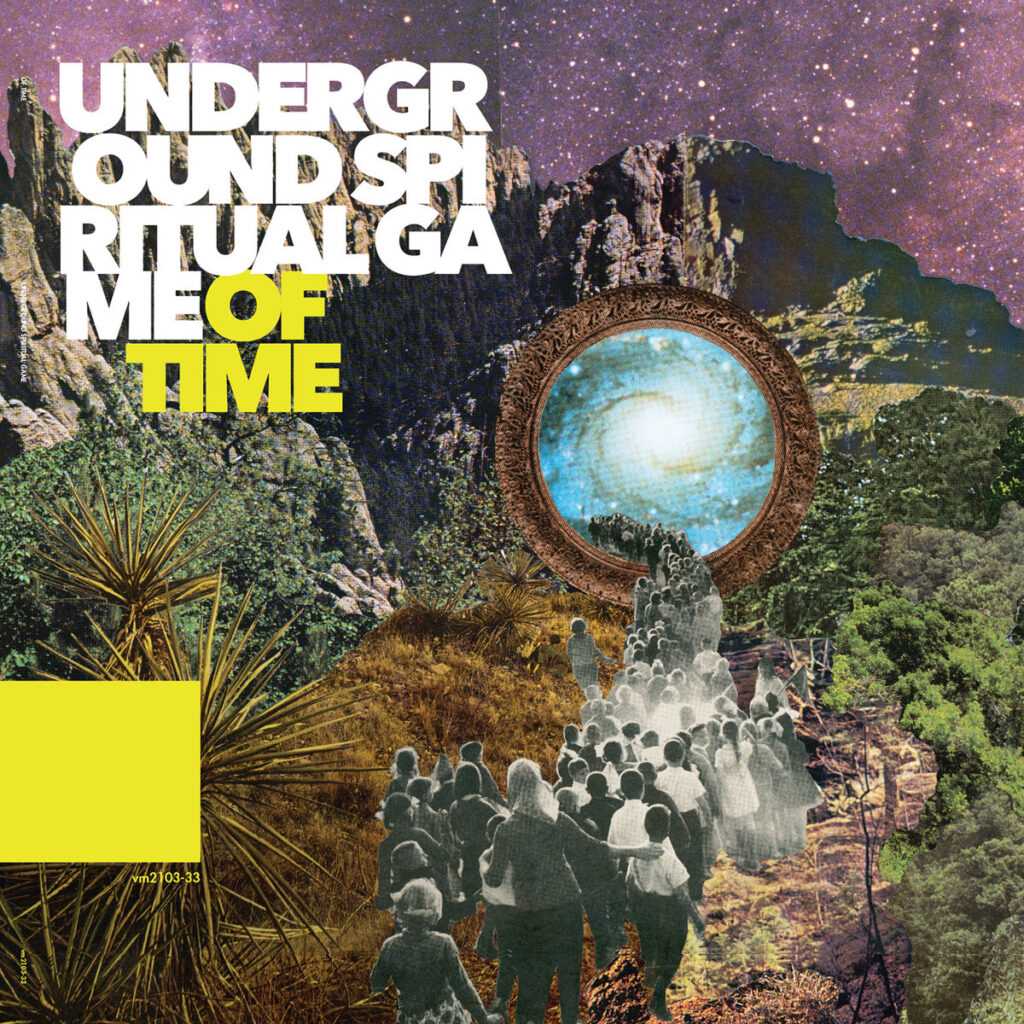
https://vibromonk.bandcamp.com/album/of-time
Digging this ethio jazz album.
Bari sounds lush. Rhythm section is 100% not manhandling things.
https://www.youtube.com/playlist?list=UU7brSEzOeLLb0l3QhAtdkgw
All videos as a playlist.
Olde / New / Age / Youth
I was introduced to this album today. It’s a fantastic combination of wild overtone playing and pop jazz styles.
This one was an instant classic for me along the lines of Sonny Criss’ Sonny’s Blues. Green’s setup is bright and sounds resistant.